Before deciding on any martial arts school it is essential to get all the facts. If you do not see your question here, please feel free to contact us by phone 760-290-5759 or email.
What is Tang Soo Do?
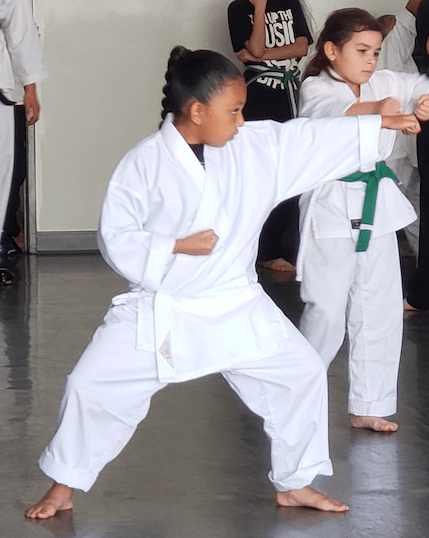
Tang Soo Do (pronounced “tong sue doe”) is a traditional Korean style of martial arts with origins similar to that of Tae Kwon Do. Consisting of primary systems of empty-handed self-defense dating back about 2000 years, Tang Soo Do was designed as a way for common folks to protect themselves from the unforgiving sword of the Samurai. Although martial arts in Korea were banned from 1910 to 1945, during the Japanese occupation, Korean martial arts survived through underground teachings.
Tang represents the Chinese influence on the development of modern Tang Soo Do. Many Koreans escaped the Japanese occupation by living and working in China. Grand Master Hwang Kee, the founder of Moo Duk Kwon, the precursor to Tang Soo Do, was among the displaced Koreans in China until the end of World War II.
Soo translates to “hand” or “open hand” as there are many techniques for blocking and striking that involve the use of open hands. Also, the term open-handed carries the implication of being unarmed. While we will learn to use and defend against typical martial arts weapons, the art of Tang Soo Do is unarmed, open-handed self-defense.
Do is related to the Chinese word “tao” or “dao” meaning “path” or “way.” Therefore, Tang Soo Do is the open hand way; a way of life, a path to follow. As such, it carries with it not only techniques for effective self-defense and fighting, but a philosophy for living honorably, cultivating mental prowess, and physical fitness, developing respect for others, and earning respect in return.
What is Brazilian Jiu Jitsu?
Brazilian Jiu-Jitsu (BJJ) is a martial art and combat sport that primarily focuses on ground fighting and submission techniques. It emphasizes leverage, technique, and strategy over brute strength. BJJ practitioners aim to control and submit their opponents using a wide range of submissions, including joint locks and chokeholds. BJJ is known for its effectiveness in self-defense, practicality, and its emphasis on character development and sportsmanship. It uses a belt ranking system, promotes values like respect and humility, and offers a continuous learning journey for its practitioners.
Brazilian Jiu-Jitsu has its origins in traditional Japanese Jiu-Jitsu and Judo. It was adapted and refined in Brazil by the Gracie family, most notably Helio Gracie, who modified techniques to make them effective for smaller, weaker individuals against larger and stronger opponents.
Unlike traditional karate, BJJ primarily takes place on the ground, where practitioners use leverage and technique to effectively fight from inferior positions in order to control and submit their opponents.
Can I observe a class?
Yes, you and your child are welcome to watch our classes in action. However, for safety and security reasons, please notify the instructor.
Do you offer special beginner class or trial?
Yes, we offer a FREE TRIAL – there is absolutely no risk or obligation. Just try out our program for one week, then decide. It’s that easy!
Do you have contracts?
NO, we never have contracts.
How much does it cost?
We believe self-defense is a right, not a privilege. So, we strive to keep your cost low. Scorpius Martial Arts offers several different membership options: month-to-month, 3-month packages, 6-month packages, and annual rates. We also offer discounts for qualified referrals.
How long are classes?
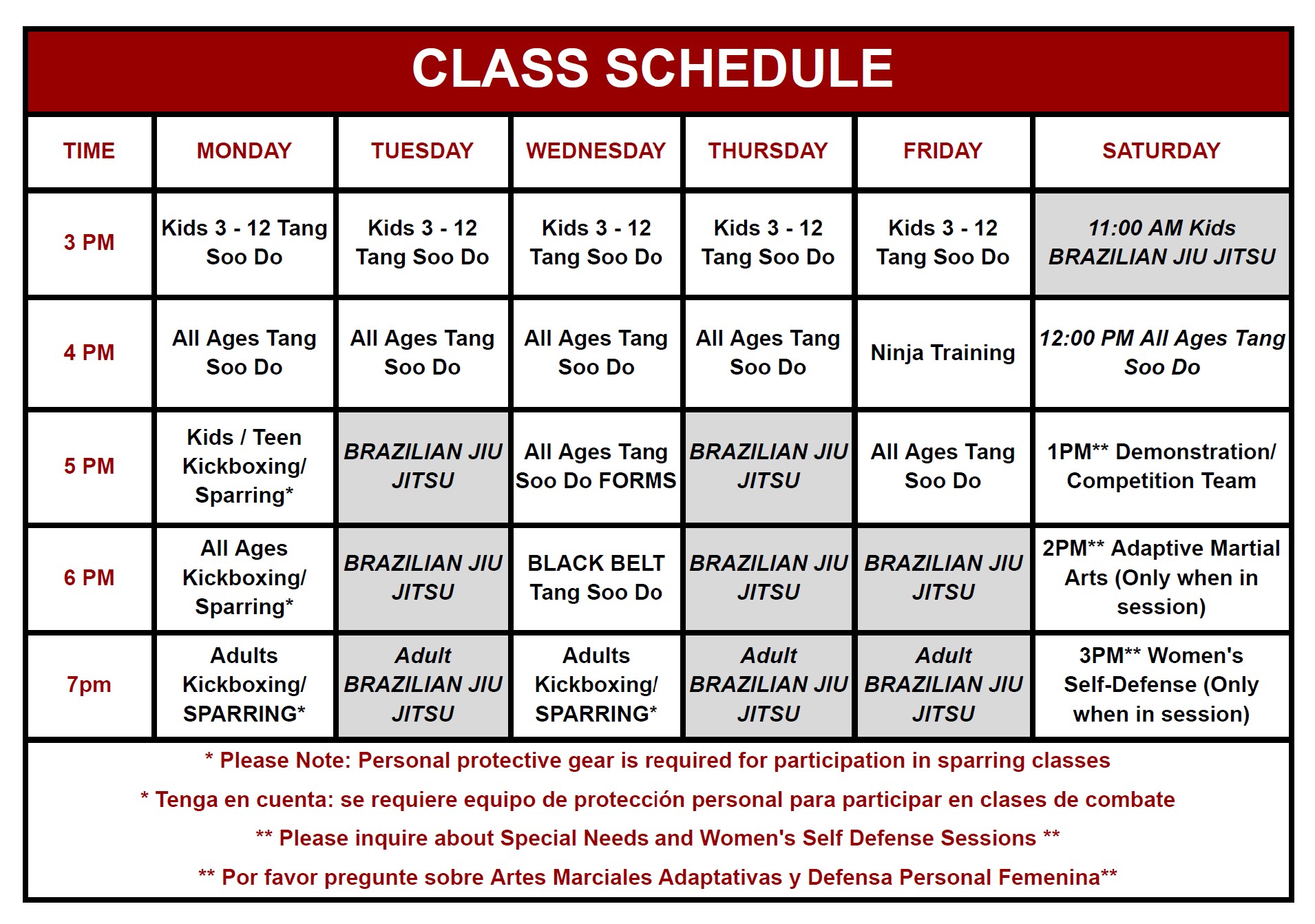
All classes are 45 minutes to one hour in length.
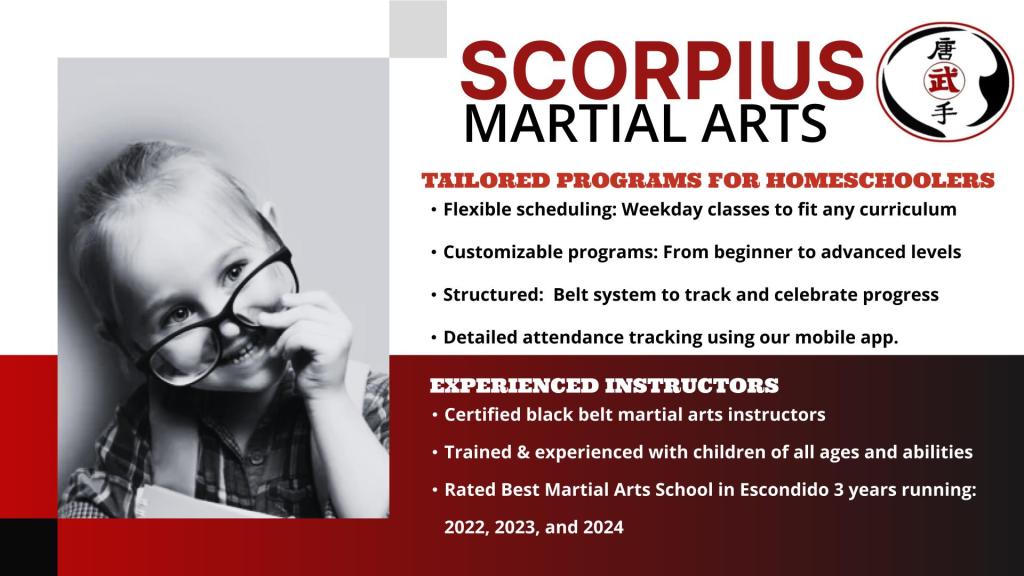
CAN I GET PHYSICAL EDICATION CREDITS FOR HOMESCHOOL AND CHARTER SCHOOL CHILDREN?
Yes! For middle school and high school students, training at Scorpius Martial Arts can qualify as Independent Study Physical Education (ISPE) and Off Campus Independent Study Physical Education (OCISPE)
WHAT IS ISPE / OCISPE?
Many middle schools and high schools offer ISPE as a way for students to participate in after-school physical education programs, such as martial arts training, instead of, or in addition to, regular PE classes. ISPE / OCISPE is typically available to students who wish to take an advanced level training that your school does not offer, as an alternative for students who have an impacted schedule or who are in a special academic program, to students who are exceptionally gifted athletes, or to students who have fulfilled their high school graduation PE requirements.
Martial arts is a fun way to get and stay fit. It also allows you to acquire self defense skills that will be useful for the rest of your life. With ISPE, you may receive PE credits from your middle school or high school for your training in martial arts.
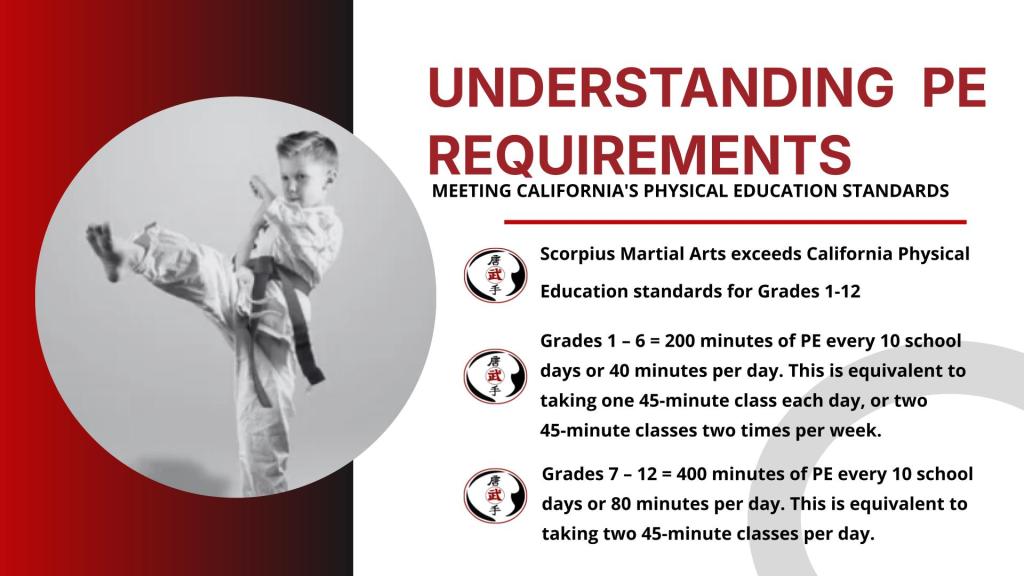
WHAT ARE PHYSICAL EDUCATION REQUIREMENTS FOR THE STATE OF CALIFORNIA AND HOW CAN HOMESCHOOLERS AND CHARTER SCHOOL STUDENTS MEET THOSE REQUIREMENTS?
- Grades 1 – 6 = 200 minutes of PE every 10 school days or 40 minutes per day is the equivalent to taking one class each day, or take two classes two times per week.
- Grades 7 – 12 = 400 minutes of PE every 10 school days or 80 minutes per day is equivalent to taking two classes per day.
WHAT ARE THE BENEFITS OF CHOSING SCORPIUS MARTIAL ARTS AS A PHYSICAL EDUCATION PROGRAM FOR HOMESCHOOL AND CHARTER SCHOOL?
- Flexibility: You can adjust the times and days to fit your specific needs, such as reducing the number of days and increasing the number of classes taken.
- Variety: Consider incorporating different martial arts disciplines or activities each day to keep the classes engaging and comprehensive.
- Cool-down/Stretching: Each session starts with a warm-up and end with a cool-down period to ensure safety and promote flexibility.
- Ease of Documenting PE Participation Hours: Let us handle keeping track of hours and attendance for your homeschool or charter school administration.
Does participation is Martial arts offer educational benefits that can complement a homeschooler’s overall development?
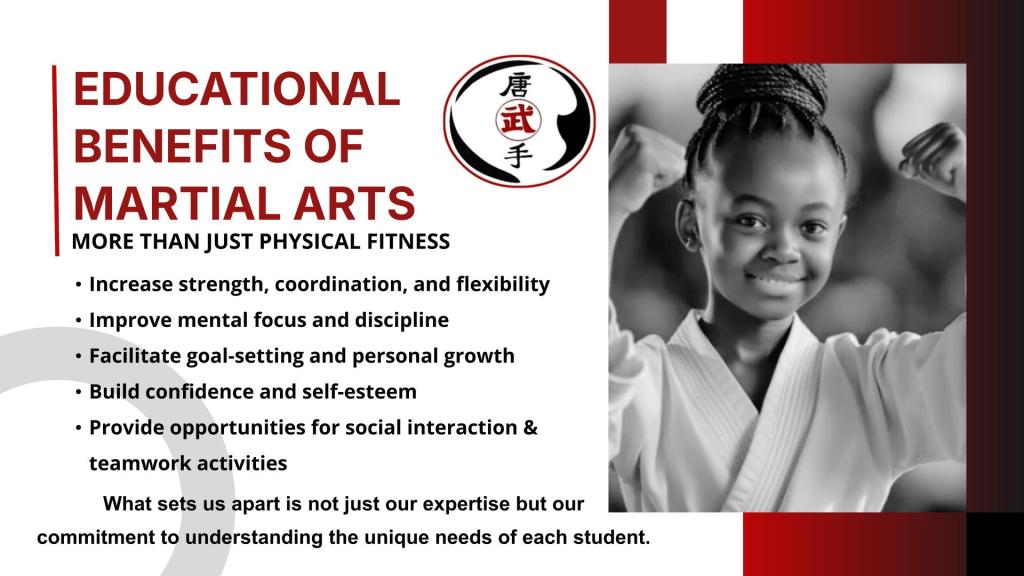
YES, absolutely! Incorporating martial arts into a homeschool curriculum not only fulfills physical education requirements but also provides a well-rounded approach to developing a student’s physical, mental, and emotional well-being.
THESE ARE SOME OF THE KEY ADVANTAGES FOR our young learners:
1. Physical Fitness:
- Strength, Flexibility, and Endurance: Martial arts involve rigorous physical activity that builds strength, flexibility, and cardiovascular endurance, contributing to overall fitness.
- Coordination and Balance: Regular practice enhances motor skills, hand-eye coordination, and balance.
2. Discipline and Self-Control:
- Structured Environment: Martial arts teach students to follow rules, respect their instructors, and maintain focus, which can carry over into other areas of their education.
- Impulse Control: Techniques in martial arts often require patience and self-restraint, helping students develop better control over their actions and reactions.
3. Goal Setting and Achievement:
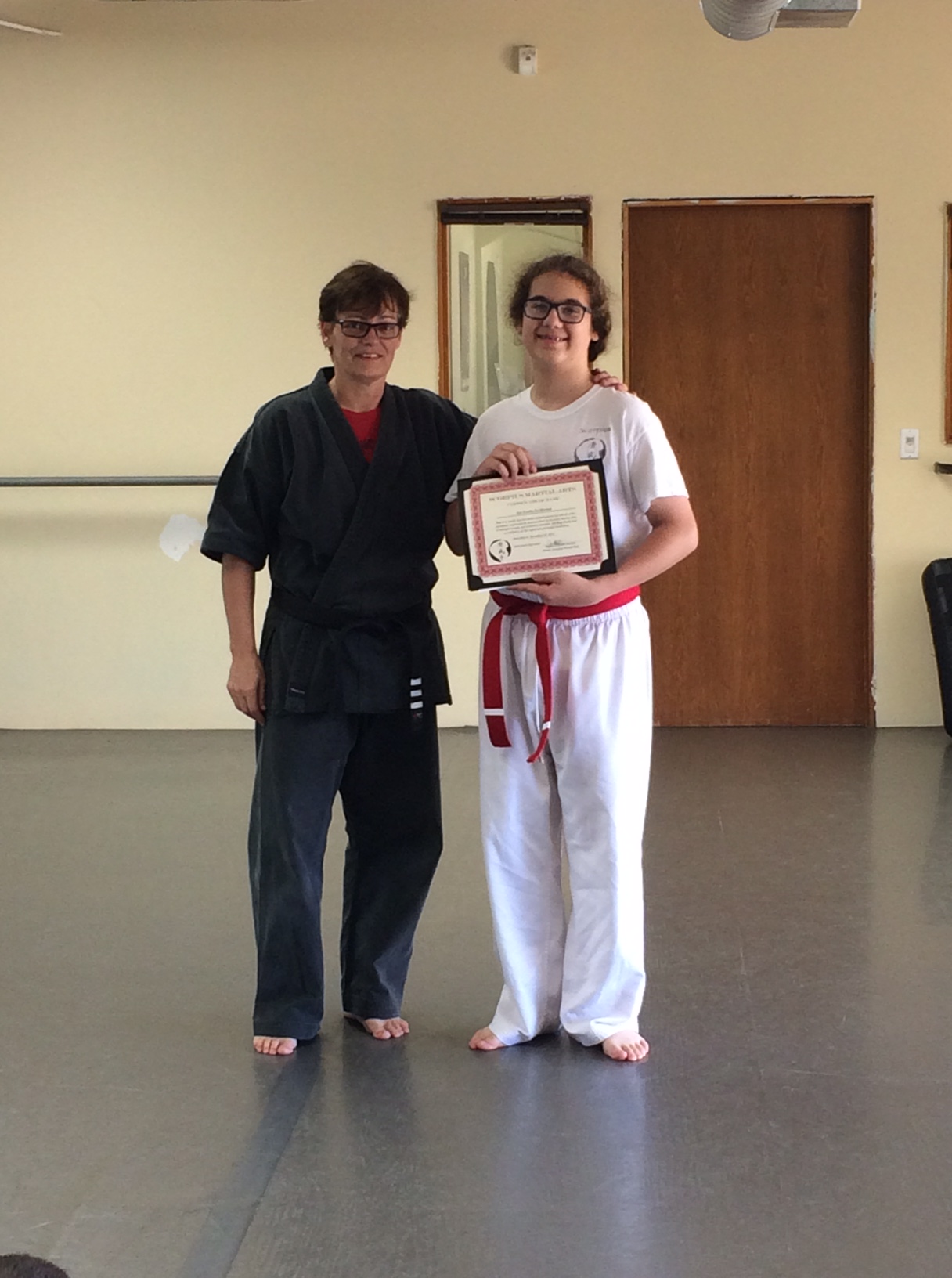
- Belt System: The progression through different belt levels teaches students about setting goals, working towards them, and the satisfaction of achieving them.
- Perseverance: Martial arts emphasize persistence, even when tasks are challenging, fostering a growth mindset.
4. Self-Defense Skills:
- Practical Safety Skills: Learning self-defense techniques gives students the confidence and ability to protect themselves if needed.
- Situational Awareness: Martial arts also teach students to be aware of their surroundings, which is a valuable safety skill.
5. Mental Focus and Concentration:
- Mind-Body Connection: Martial arts require students to be mentally present, coordinating their movements with precision, which enhances concentration.
- Stress Relief: The focus on breathing and mindfulness in martial arts can help reduce stress and improve mental clarity.
6. Confidence and Self-Esteem:
- Mastery of Skills: As students gain proficiency in martial arts, they build confidence in their abilities.
- Positive Reinforcement: The recognition they receive for their progress (e.g., belt advancements) boosts self-esteem.
7. Respect and Etiquette:
- Cultural Appreciation: Many martial arts have deep cultural roots and traditions, teaching students about respect for different cultures and the importance of etiquette.
- Respect for Others: Martial arts often emphasize respect for opponents, instructors, and peers, which can foster a sense of community and mutual respect.
8. Social Interaction:
- Peer Relationships: Martial arts classes provide opportunities for homeschoolers to interact with peers, promoting teamwork, communication, and social skills.
- Mentorship: Older or more experienced students often help guide younger ones, fostering leadership and mentoring skills.
9. Problem-Solving and Critical Thinking:
- Strategy Development: Martial arts often involve thinking through moves, predicting opponents’ actions, and adapting strategies, which enhances critical thinking skills.
- Adapting to Challenges: Students learn to overcome physical and mental challenges, promoting resilience and creative problem-solving.
10. Lifelong Learning and Habits:
- Continuous Improvement: Martial arts instill a love for learning and self-improvement that can translate into a lifelong pursuit of knowledge and self-discipline.
- Healthy Lifestyle: The physical activity and mindset promoted by martial arts can lead to long-term healthy habits.
Do you offer adult and youth classes?
Yes, we offer classes for all ages and abilities.
Is there sparring in the children’s curriculum?
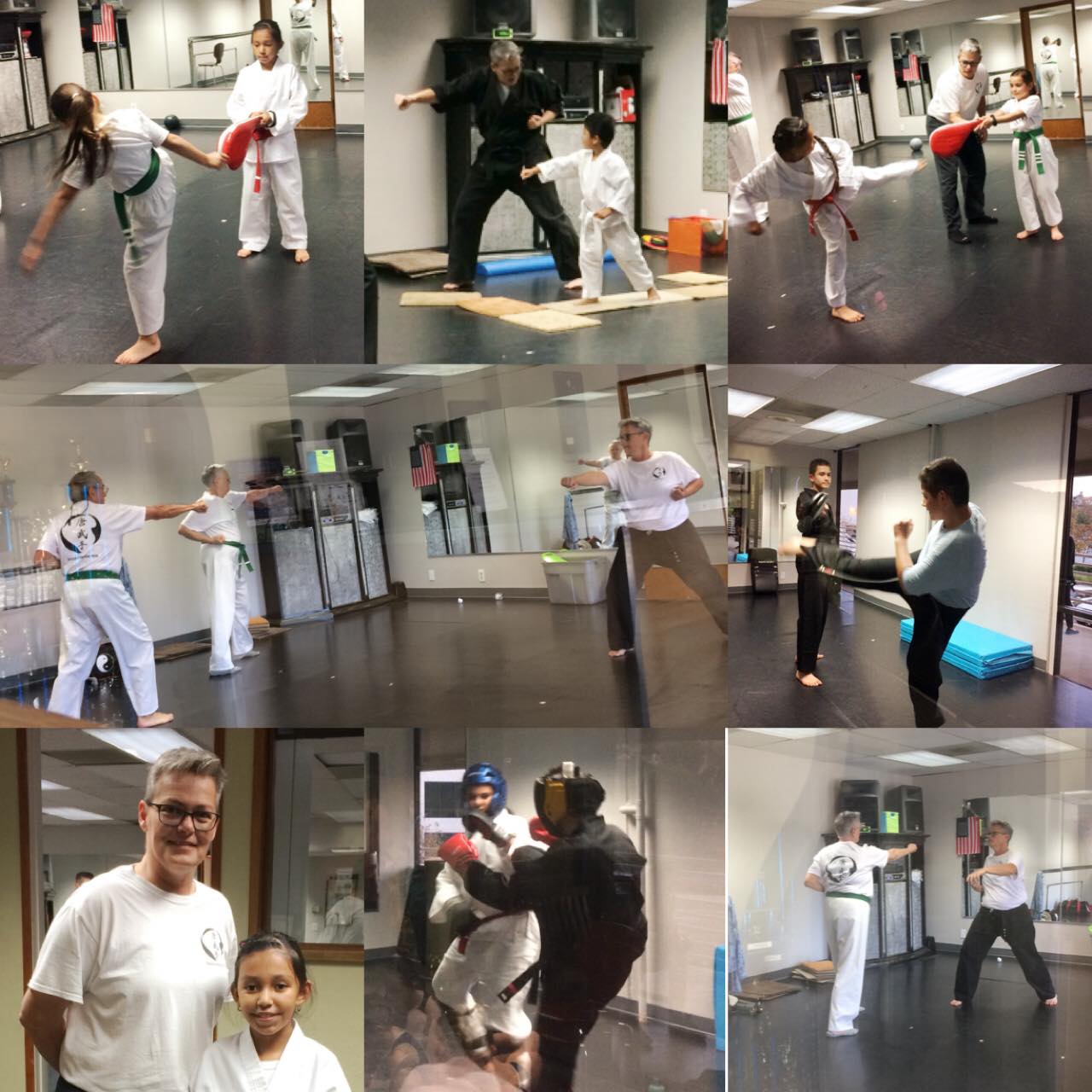
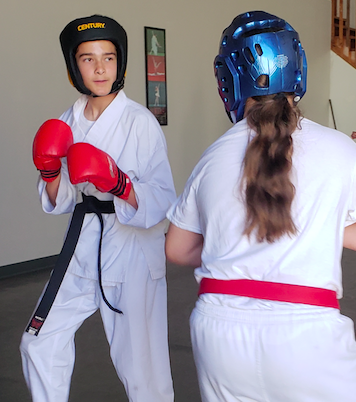
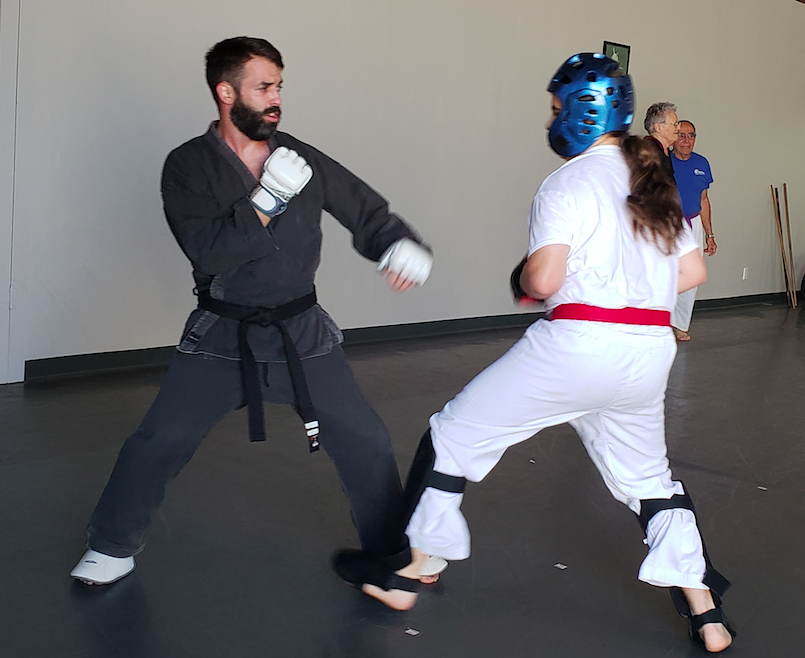
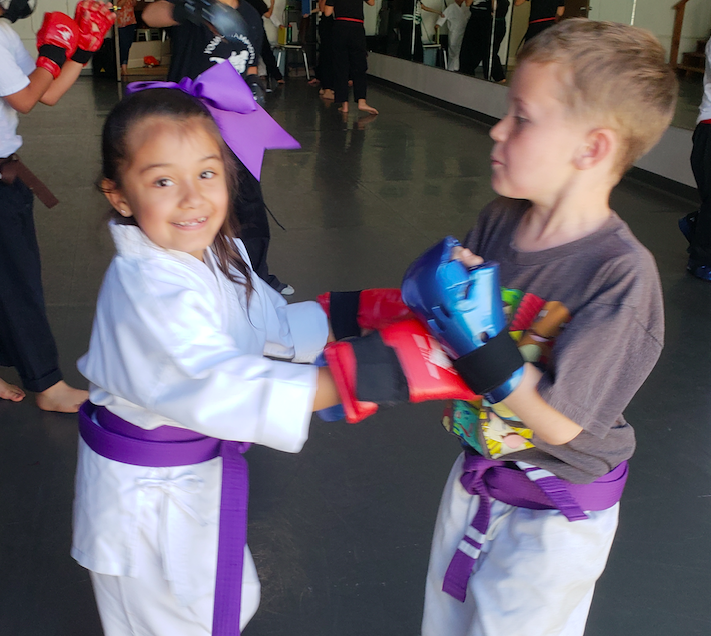
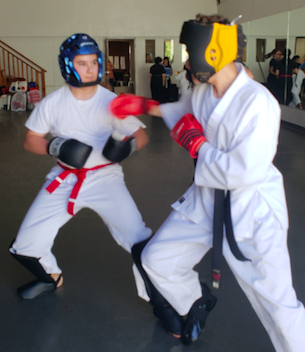
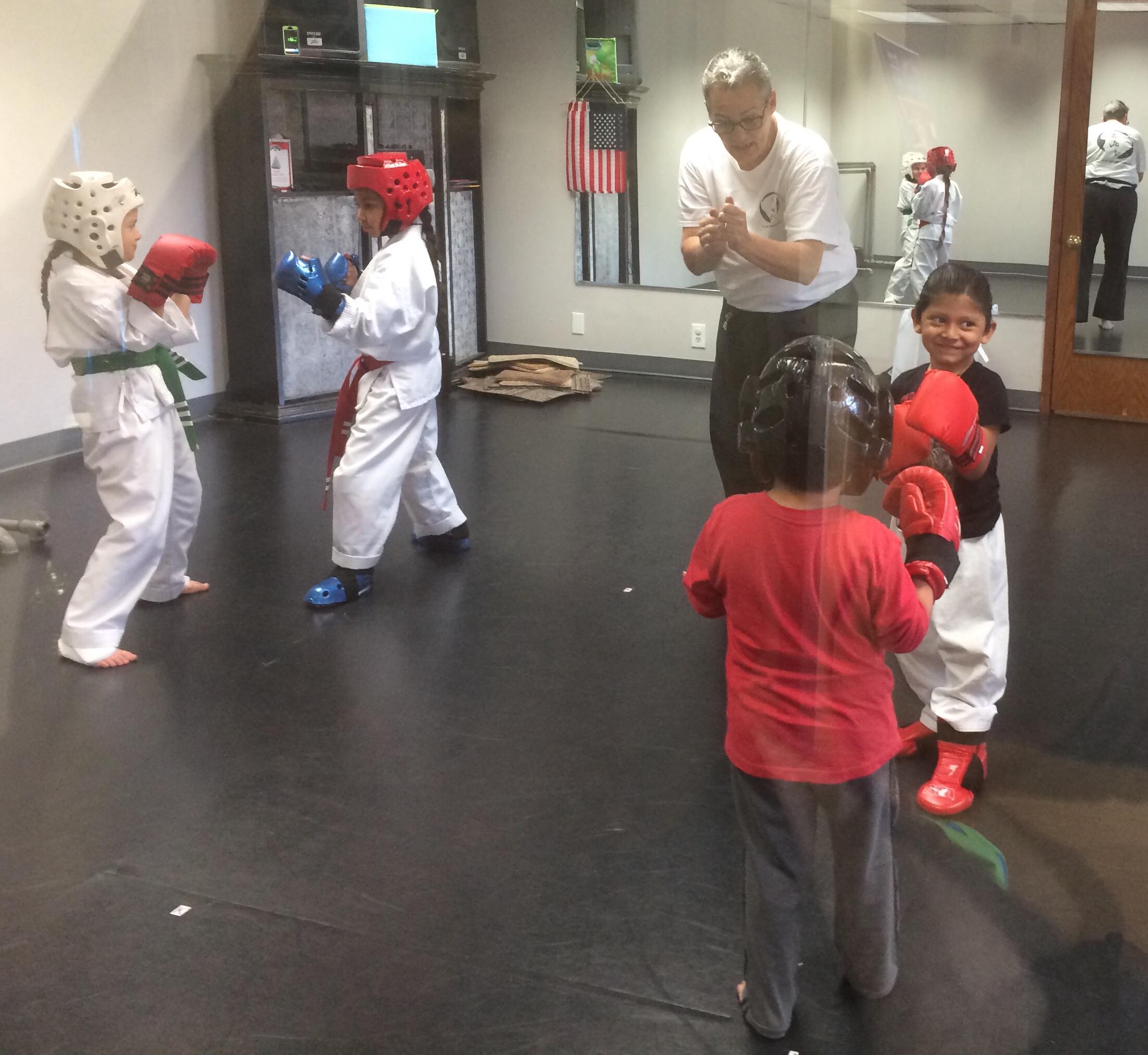
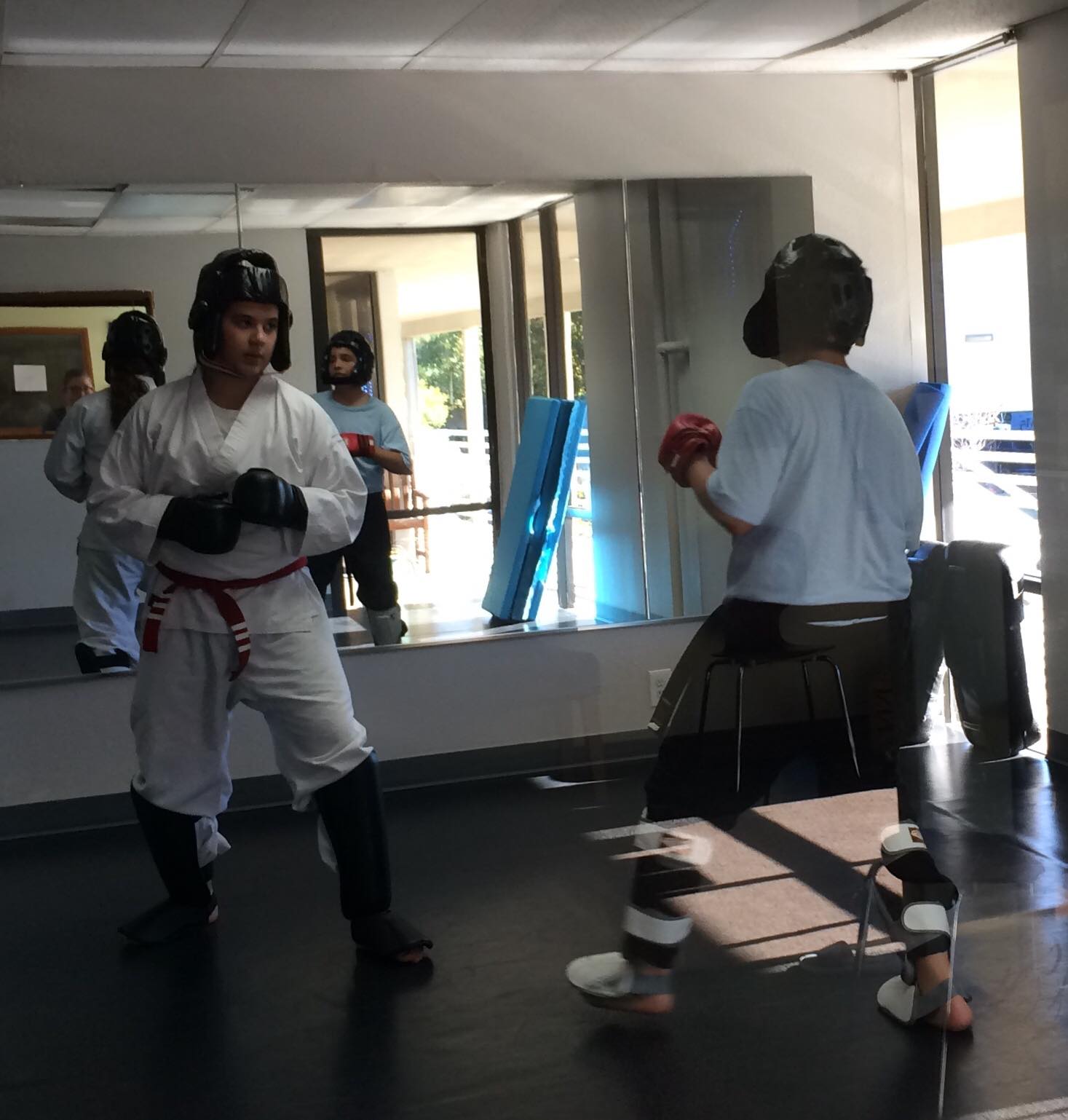
Light contact sparring is introduced into the curriculum as soon as possible. Sparring is a requirement in our curriculum and necessary to earn a Black Belt. Students are closely supervised when sparring and all students are required to wear protective gear.
Are there testing fees?
Yes, testing fees are dependent upon belt rank and are due on the day of the test. Testing occurs a few times per year, depending on the students’ rank. Students will receive a testing notification prior to the test date.
Must I compete in tournaments?
No. Although there are several tournaments throughout the year, participation in tournament competition is always for fun. It is NEVER mandatory.
Do you host parties or special events?
Yes, we do children’s birthday parties and special events. It does not matter whether the birthday child is a student or not, our parties are fun for everyone! For group events, we offer customized safety and education programs for all ages. Please contact us, by phone 760-290-5759 or email.
Why Scorpius Martial Arts?
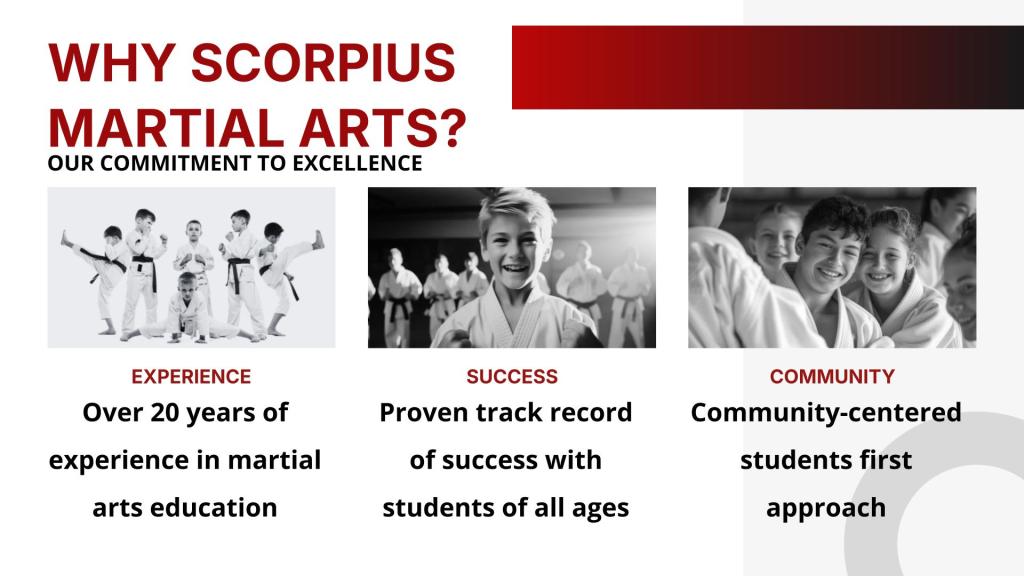
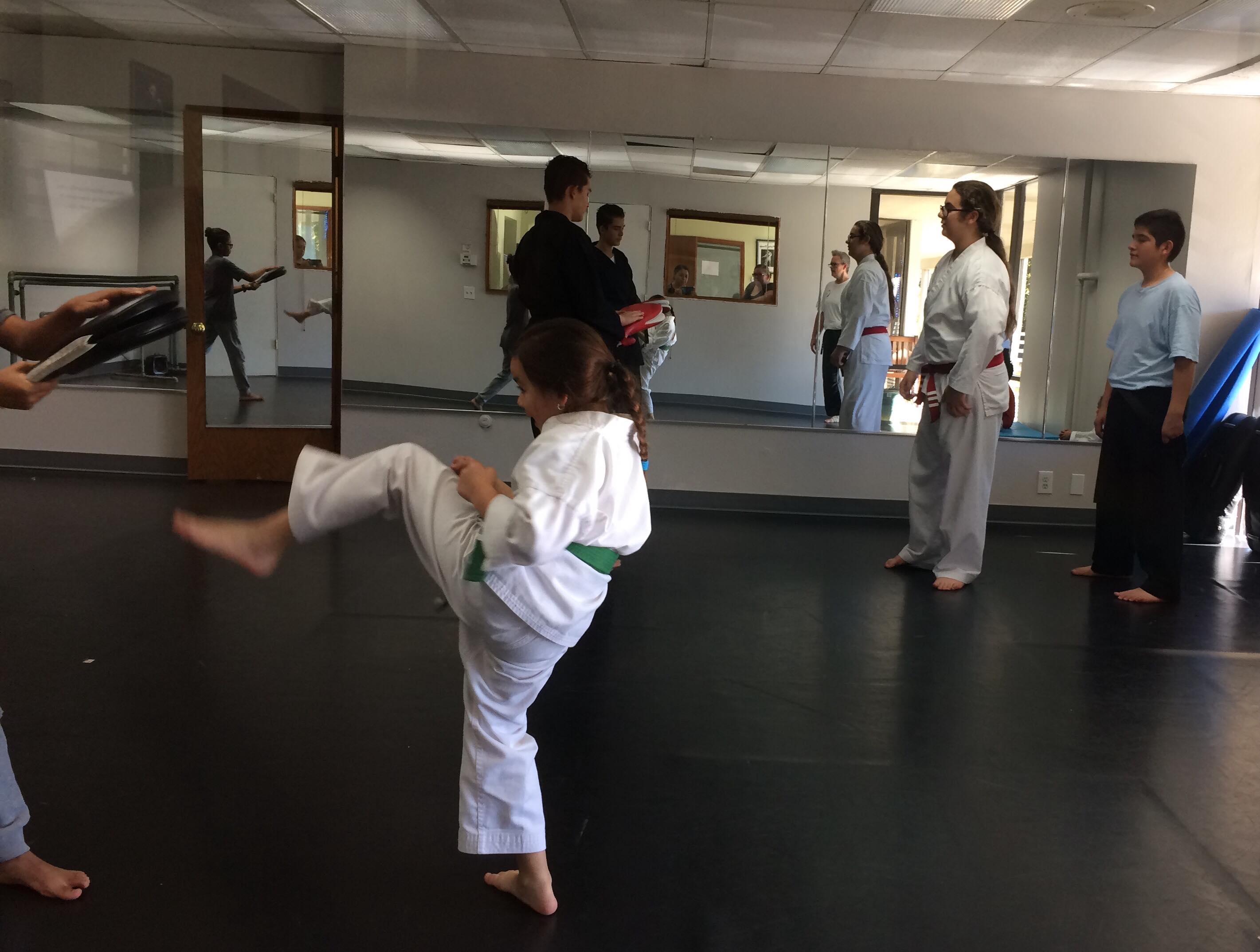
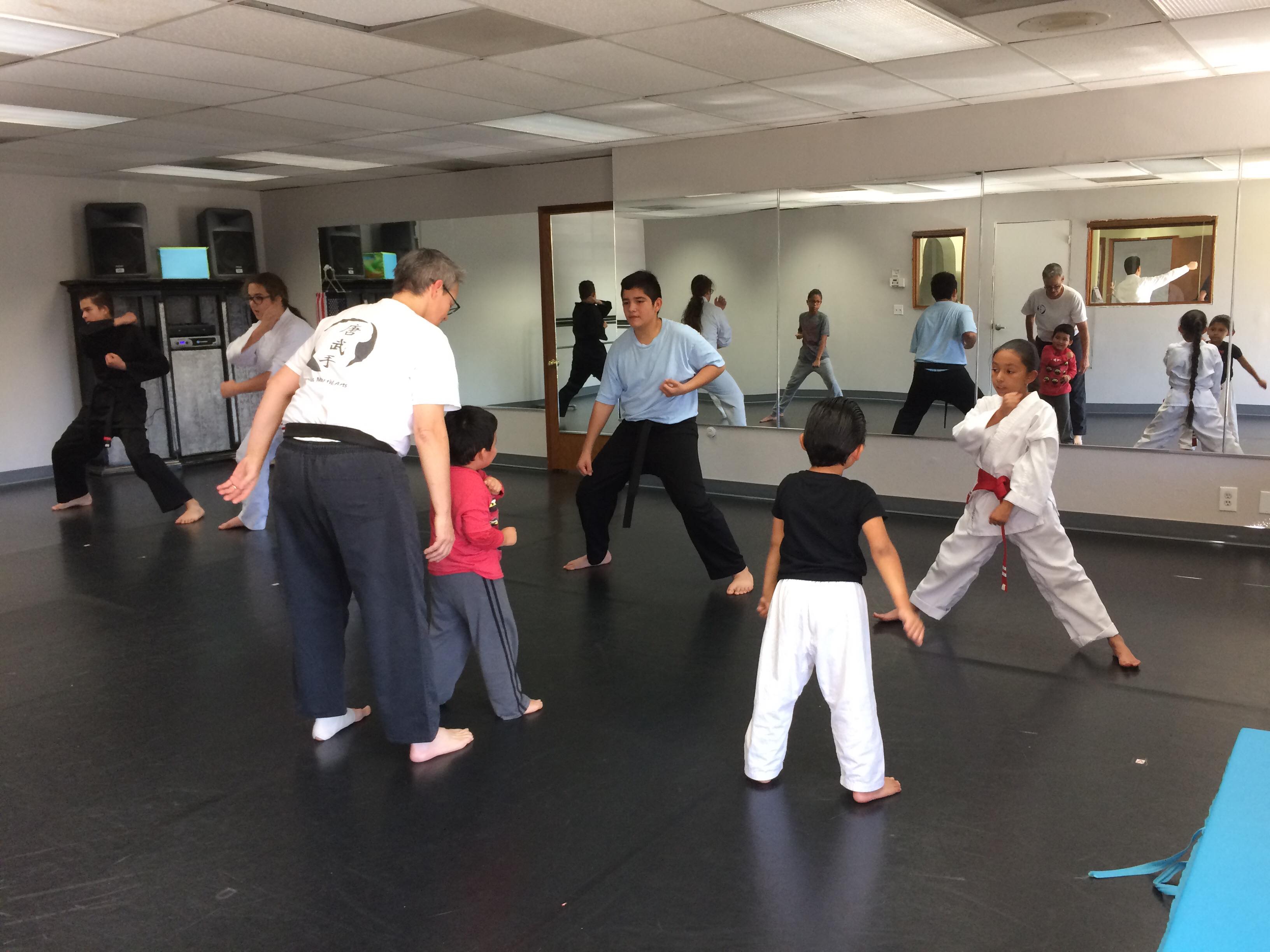
Scorpius Martial Arts specializes in traditional martial arts and practical self-defense training that focuses on the individual; Mind, Body, and Spirit. In addition to advocating for physical fitness, classes at Scorpius Martial Arts promote honesty, dedication, perseverance, respect for self and others, cooperation, and teamwork. Students of Scorpius Martial Arts enjoy the lifelong benefits of improved confidence, communication skills, increased physical fitness, and practical, effective self-defense skills.
Give your child a gift
that will last a lifetime…
Scorpius Martial Arts!





















 Scorpius Martial Arts